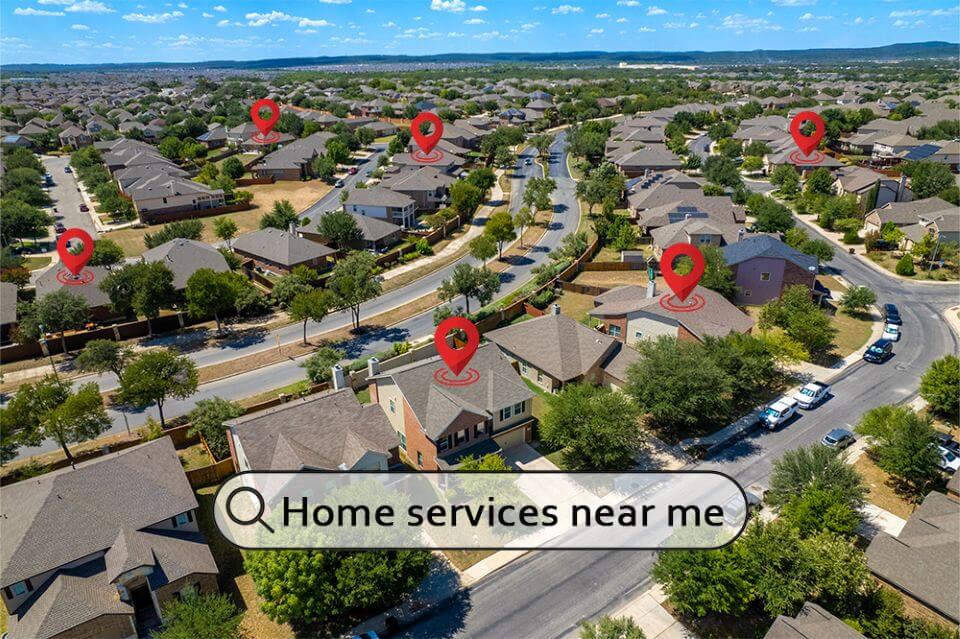

Customers have choices these days. If something doesn’t fit their lifestyle or budget, they can simply shop around and find what does. And we’re not just talking about items you can buy at the store. Most people have options when it comes to local services as well, including selecting their retail energy providers.
So, how do you become the one customers choose?
When customer data is used thoughtfully, it can be one of the most powerful tools in retail energy marketing. It helps providers understand how customers use energy and what motivates their decisions. Which, in turn, helps craft messaging in ways that feel helpful rather than intrusive.
The key word here is thoughtfully. Because in an industry built on trust, how you use customer data matters just as much as how much data you have. How can you leverage data to create smarter, more effective marketing campaigns without compromising privacy or customer confidence?
Why Data Matters More Than Ever in Retail Energy Marketing
Energy customers are more informed than they used to be. They compare providers and read reviews. They pay attention to how companies communicate about pricing, sustainability, and service reliability.
In Salesforce’s State of the Connected Customer report, they found that 73 percent of customers expect better personalization as technology advances. At the same time, 79 percent of customers say they’re increasingly protective of their personal data.
That means marketing can’t rely on blanket messaging anymore. “Low rates” alone won’t differentiate you.
Yet go too far, and you risk losing people.
Customer data allows energy providers to move from broad assumptions to an informed strategy. Instead of guessing what customers care about, you can use real insights to shape campaigns that speak directly to their priorities. When done right, data transforms marketing from reactive to proactive.
Understanding Customer Usage Patterns
One of the most valuable data sources available to retail energy companies is usage data. How and when customers use energy tells a powerful story. Usage patterns can reveal:
- Seasonal consumption trends
- High-usage versus low-usage households
- Time-of-day behavior
- Potential interest in energy-efficiency programs
From a marketing standpoint, this insight is gold. For example, customers with consistently high summer usage may be more receptive to messaging around energy-efficient cooling solutions or budget billing options. Customers with fluctuating usage might benefit from education about rate plans or usage monitoring tools.
Instead of sending the same message to everyone, usage data allows you to deliver content that feels timely and relevant. Because it is.
Demographics Help Shape Messaging
Demographic data adds another layer of clarity to retail energy marketing efforts. Factors such as household size, location, and income level can influence energy needs and decision-making. Understanding who your customers are helps refine how you communicate with them.
A young renter may respond differently to messaging than a homeowner with a family. A customer in an urban area may prioritize convenience and digital tools, while a rural customer may prioritize reliability and access to customer service.
Demographics don’t replace personalization, but they help guide it. They help ensure your messaging resonates instead of missing the mark.
Behavioral Data Shows Intent
Behavioral data tells you how customers interact with your brand, not just how they use energy. This includes:
- Website visits
- Email opens and clicks
- Customer portal activity
- Past campaign engagement
- Service inquiries or support requests
Behavior reveals intent. Someone who frequently visits your rate comparison page is thinking about options. Someone who opens emails about renewable energy likely values sustainability. Someone who ignores promotional emails but reads educational content may prefer information over offers.
Retail energy marketing becomes far more effective when it responds to these signals instead of ignoring them.
Personalization Builds Relevance (and Retention)
Personalization doesn’t mean knowing everything about a customer. It means using available data to make communication more relevant. In the retail energy space, personalization might look like:
- Tailored email content based on usage trends
- Messaging aligned with a customer’s plan
- Educational content tied to seasonal energy habits
- Targeted promotions for customers nearing contract renewal
When customers feel understood, they’re more likely to stay.
Retention is especially important in retail energy, where acquisition costs can be high. Personalized marketing helps strengthen relationships by showing customers that your communication is based on their needs, not a generic schedule.
Smarter Targeting Improves Campaign Performance
Data-driven targeting improves efficiency across every marketing channel. Instead of broad campaigns aimed at everyone, retail energy companies can segment audiences based on meaningful criteria and tailor messaging accordingly. This leads to:
- Higher open and click-through rates
- Improved conversion performance
- Lower wasted spend
- More accurate measurement of ROI
Whether you’re running email campaigns, digital ads, or educational outreach, targeted marketing ensures your message reaches the right people at the right time. And in a regulated, competitive industry like energy, that precision matters.
Education as a Trust-Building Tool
Energy can be confusing. Rates, usage, contracts, renewable options—it’s a lot to digest. Data helps identify where customers need clarity.
If customer behavior shows repeated visits to certain FAQs or frequent support inquiries around the same topic, that’s a signal. Marketing can step in with educational content that proactively addresses those questions.
Blog posts, email explainers, and simple guides help customers feel informed rather than overwhelmed. Education builds trust, and trust is essential in retail energy marketing, where long-term relationships are far more valuable than one-time conversions.
Balancing Data Use with Privacy and Transparency
Of course, data-driven marketing only works if customers trust how their information is handled. Retail energy companies operate in a highly regulated environment, and rightfully so. Customers expect their data to be protected and transparency around how it’s used. Smart marketing strategies prioritize:
- Clear data privacy policies
- Secure data storage and handling
- Compliance with all regulations
- Opt-in communication preferences
When customers understand how their data benefits them, they’re far more comfortable with personalization. It means better communication, more relevant offers, and clearer information.
Why Smarter Marketing Matters in Retail Energy
Retail energy customers have choices. They expect clarity. They value trust. And they want to feel like their provider understands them, not just their meter. Data enables retail energy companies to meet those expectations thoughtfully.
When customer insights guide marketing decisions, campaigns feel less like promotions and more like conversations. They support retention. They strengthen loyalty. And they help energy providers stand out in a crowded marketplace.
Smarter marketing isn’t about knowing everything. It’s about knowing enough to communicate better.
If your retail energy brand is ready to turn customer data into more meaningful marketing, we can help you build a strategy that balances insight, performance, and trust.
Let’s make your marketing as smart as your customers expect it to be.