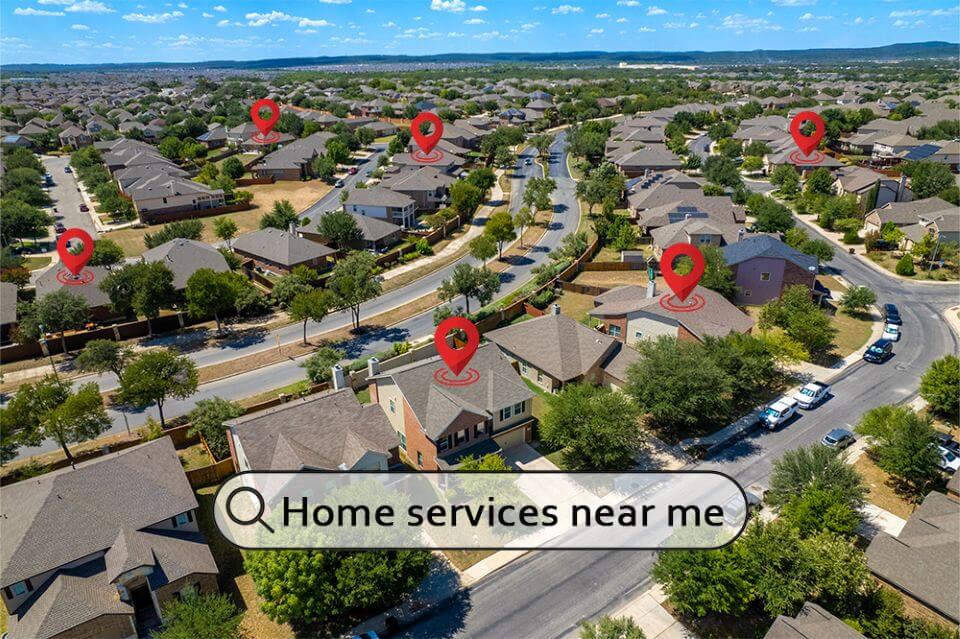

Have you clearly defined your customer? Do you know what they want? Can you reach out to them effortlessly? Do they respond every time? Businesses that thrive have customer targeting down to a science. They understand data is what makes all this possible.
By leveraging customer data, businesses can create more personalized experiences. When you speak a customer’s language, they’re more likely to convert.
A recent report showed that 87 percent of marketers know that data is their most under-utilized asset. Yet, among marketers who have a good handle on using data for personalization, only 30.55 percent said data helps determine their most effective marketing strategies, 29.59 percent said it improves ROI, and 27.36 percent said it helps reach their target audience more effectively.
Clearly, data is a way to sharpen your marketing strategy and boost your bottom line. But where do you begin?
Why Customer Targeting Matters
We define customer targeting as the process of identifying and reaching out to specific groups of consumers who are most likely to be interested in your product or service. It ensures your marketing messages reach the right people, those who are already primed to engage, convert, and become loyal customers.
And let’s face it, we’re bombarded every day by ads and promotions. Relevance is your competitive advantage. When you get customer targeting down, it ensures you’re not wasting time or budget on audiences that aren’t a good fit. Instead, every dollar you spend works harder because it’s going toward building relationships with your ideal buyers.
The Role of Data in Modern Customer Targeting
With the right data in hand, you can segment your audience and predict outcomes. Instead of guessing who your audience is—you know. That knowledge allows you to deliver more meaningful content at the right moment, in the right place.
The good news is that with today’s technology, you can find data in many ways, just waiting for you to utilize it for customer targeting:
- Demographic data is segmented by age, gender, income level, education, occupation, and family status.
- Geographic data tells you location, including city, state, region, or even neighborhood.
- Behavioral data includes purchase history, website activity, click patterns, time on site, and social engagement.
- Psychographic data looks at interests, values, attitudes, and lifestyle choices.
- Transactional data dives into average order value, buying frequency, and product preferences.
Individually, each data point offers a piece of the puzzle. Combined, they build a complete picture of who your customer is and what drives their decisions.
How to Use Data for Smarter Targeting
So how do you go from raw data to effective customer targeting? Here’s a step-by-step look at how to make it work.
Collect the Right Data
It starts with gathering accurate, meaningful information. Depending on your business, that could come from:
- Website analytics platforms (like Google Analytics)
- CRM systems
- Email engagement metrics
- Social media insights
- Customer surveys
- E-commerce transaction history
- Loyalty or rewards programs
Make sure you’re tracking both quantitative and qualitative data. Numbers tell you what people are doing, but feedback tells you why they’re doing it.
Segment Your Audience
Once you have your data, you can start grouping people based on shared characteristics or behaviors. This is where segmentation comes into play. You can create audience segments such as:
- High-value repeat customers
- New leads from a specific geographic area
- Website visitors who viewed a product but didn’t purchase
- Newsletter subscribers who click on tips
Each segment has unique needs and preferences. Creating content or offers tailored to each group will increase relevance and results.
Personalize Your Campaigns
Personalization goes hand in hand with segmentation. Once you understand your audience segments, you can tailor your messaging accordingly. You might include:
- Email subject lines that address a specific interest
- Product recommendations based on browsing history
- Location-based promotions for local shoppers
- Retargeting ads that reflect past interactions
Consumers want personalization. A recent Global Consumer Study showed that 64 percent of consumers prefer to buy from companies that tailor their experience to their wants and needs. Personalization builds trust. And trust builds conversions.
Use Predictive Analytics
Predictive analytics uses historical data and machine learning to forecast future behavior. This is where technology will help you dig deeper into what your customers want. You can identify:
- Which customers are most likely to stop doing business with you
- What types of content lead to conversions
- Which leads are most likely to become high-value clients
By identifying patterns in your data, you can allocate your marketing efforts more strategically. This gives you a chance to proactively engage potential customers before they slip away.
Optimize and A/B Test
No matter how good your targeting is, there’s always room for improvement. Use A/B testing to compare different versions of ads, landing pages, or emails to see which performs best for various segments.
Then, refine your campaigns based on the data. This approach ensures you’re continually getting smarter and more effective.
Digging Into a Real-World Example
Let’s say you own a local fitness studio. You collect the following data:
- Location (your customers live within 10 miles)
- Behavior (they attend classes 2 to 3 times a week)
- Preferences (they prefer yoga and low-impact workouts)
With this insight, you run a geo-targeted Facebook campaign promoting a new yoga class series on weekday mornings. You tailor your ad copy to mention convenience for busy professionals and include a limited-time discount for returning members.
The result? Higher click-through rates, better attendance, and increased membership renewals. All because you focused on a well-defined audience and used data to speak directly to their needs.
Data Can Be Your Marketing Superpower
Have you seen results like this in action before? It’s never too late to start. Today’s consumers expect brands to understand their needs. By using data responsibly and strategically, you’re not just selling more … you’re serving better.
When you know who your customers are, what they care about, and how they behave, you can build stronger relationships. And ultimately, boost your sales.
The result? Smarter marketing. Better ROI. Happier customers.
Are you ready to improve your targeting and put your data to work? Let’s talk. We’ll help you build a marketing strategy that meets your customers where they are and gets results.