Sometimes, new marketing concepts pop up that seem almost too good to be true. We heard the skepticism in a prospect’s voice when they asked, “What is geofencing and can it really help me?” We get it.
Digital marketing evolves quickly. It’s hard to keep up with all the new strategies coming down the pipeline. And if you’re a busy business owner, it’s hard to keep up with all the latest buzzwords. Geofencing—it sounds like a science fiction movie.
Yet geofencing isn’t some high-tech trick for giant corporations or futuristic space travelers. It’s a strategic, budget-conscious way to connect with real customers in real time.
What Is Geofencing, Really?
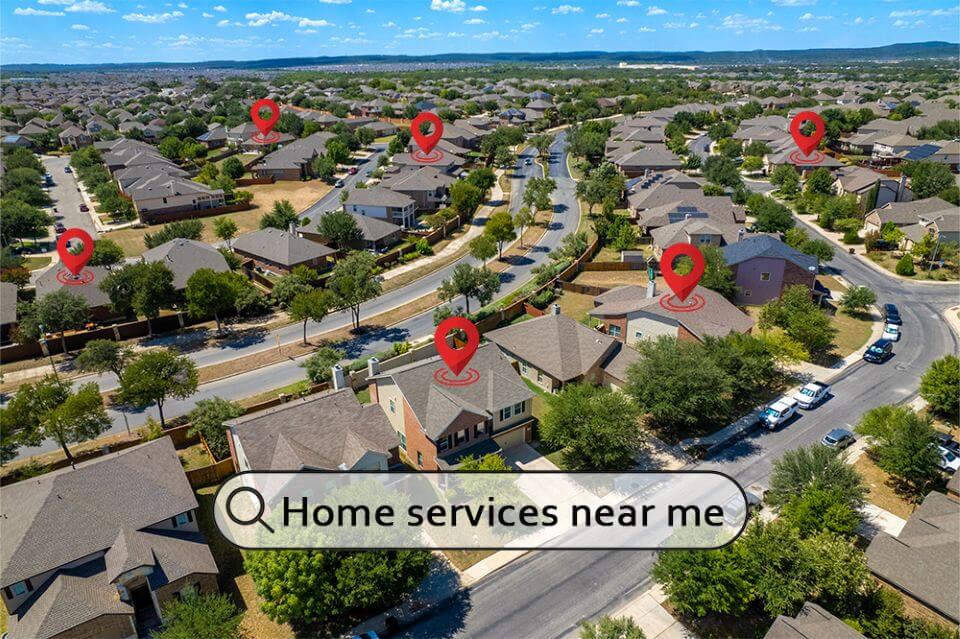
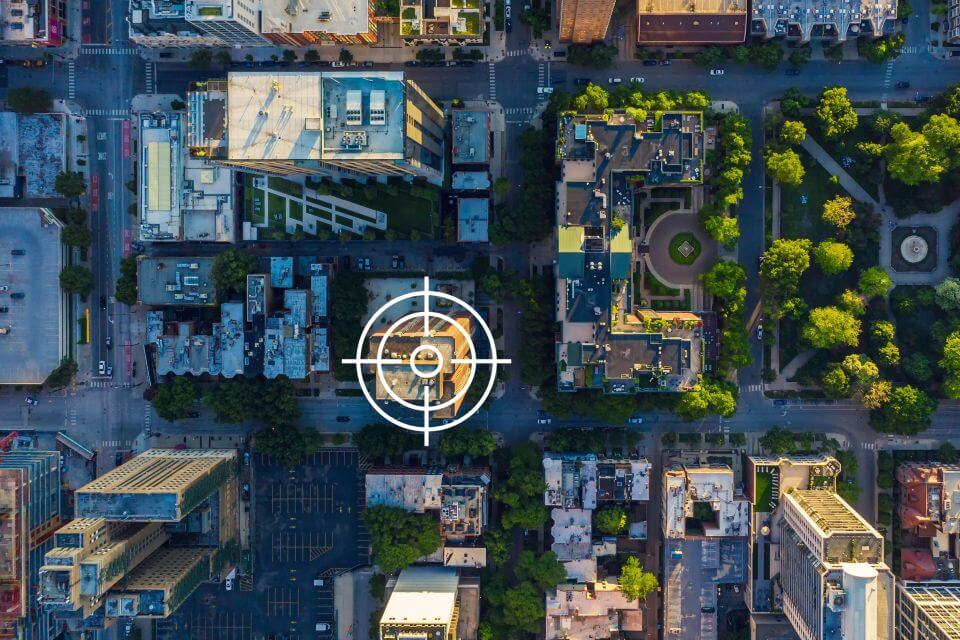
Let’s get technical for a moment. Geofencing is a location-based marketing strategy that creates a virtual perimeter, or fence, around a specific geographic area. When a smartphone or device enters the area, it can trigger a preset action, such as sending a notification or displaying an ad.
This is all done through GPS, Wi-Fi, cellular data, or RFID technology. No, you’re not being followed individually or tracked without consent. This is opt-in location data. Users have location services enabled on their devices, and marketers use that data respectfully and strategically.
It works like this. You set up a digital “fence” around a physical space. When someone steps inside that space with their phone in hand, you have a golden opportunity to interact with them in a highly relevant way. That’s the magic of geofencing.
How Does Geofencing Work in Marketing?
Here’s how the specifics might work for a local business.
First, you define a virtual perimeter around a nearby area. It might be a neighborhood, shopping plaza, or competitor’s store.
When a customer enters that perimeter, their device becomes eligible to receive your marketing. You serve up ads, discounts, or messages to that person via apps, search, social media, or mobile web.
Then, you monitor the activity—clicks, visits, and conversions. You watch what happens and adjust accordingly.
It’s fast. It’s smart. And it puts your message in front of people who are actually nearby. They’re considering a purchase, and you’re giving them options.
Why Should Local Businesses Use Geofencing?
Geofencing levels the playing field for all businesses, but it’s especially powerful for small and mid-sized companies. Why?
- It’s hyper-targeted: You’re not paying to reach people thousands of miles away. You’re reaching the ones who are physically close and more likely to act.
- It works in real time: You catch attention while they’re nearby or even right outside your door.
- It supports foot traffic: Online-to-offline marketing works. People see you and walk in.
- It’s measurable: You can track visits, clicks, and conversions, giving you insight into what works.
You don’t need a massive budget to set this into action. That’s why it works well even for small businesses. You just need clear goals, a good partner, and an understanding of your audience.
Examples of Geofencing in Action
Need some inspiration? We know it’s sometimes easier to see how it works in the real world. Here are just a few ways we’ve seen geofencing work.
Restaurants and Cafes
A local cafe sets up a geofence around a busy commuter train station. Every morning, people entering that area see a mobile ad offering “$2 off your morning coffee—just 5 minutes away.”
Retail Stores
A boutique clothing shop geofences a popular nearby mall. Shoppers receive an ad that says, “Tired of the same old stores? Visit us just two blocks away for 10 percent off today.”
Gyms
A new neighborhood gym targets a competing chain down the street. When people visit that location, they see an offer: “No crowds, no contracts. Mention this ad and try us for 7 days free.”
Car Dealers
A Subaru dealer targets a nearby Toyota dealership. When visitors check their phones, they see, “Our easy financing options will have you driving away in a Subaru today.”
Service-Based Businesses
A home cleaning company targets apartment complexes in a specific zip code. Residents who enter the area get a push notification with a first-time offer and a scheduling link.
Best Practices for Using Geofencing in Your Marketing
Are you starting to see geofencing as a viable option? Ninety-one percent of consumers say they are more likely to shop brands that provide relevant offers. If you’re ready to add this tactical tool to your marketing toolbox, get started with these tips:
Define a Smart Fence Radius
Don’t cast your net too wide. A radius of one to five miles is typically best for small businesses. If someone is 25 miles away, they probably aren’t going to drive in for lunch. Be realistic.
Target the Right Locations
Think about where your ideal customer spends time. Competing businesses, busy intersections, campuses, hotels, or local events can all be great geofencing zones.
Create a Compelling Offer
Don’t just say “Come see us.” Give people a reason to act. Limited-time offers, free trials, loyalty perks, or special invites can all boost engagement.
Match Your Message to the Moment
Timing matters. A lunch special at 11:00 a.m.? Perfect. A gym offer during evening commutes? Smart. Think about where your audience is and what they need at that moment.
Connect the Dots
Make sure your ad links to a landing page that matches your message. Include maps, directions, or appointment scheduling to remove barriers and drive results.
Track and Tweak
Geofencing isn’t set-it-and-forget-it. Use your analytics to watch for performance. Which locations convert best? Which messages get clicks? Refine your targeting and creatives as you go.
Is Geofencing Right for Your Business?
If your business depends on local traffic, geofencing is worth a serious look. It can help increase your brand visibility near your physical location and compete with larger businesses or chains. It’ll drive more walk-ins and appointments and can engage customers when they’re most likely to take action.
And the best part? It plays nicely with your other digital strategies. Geofencing can work alongside social media, paid ads, SEO, and email marketing to create a cohesive marketing ecosystem.
Geofencing might sound high-tech, but it’s surprisingly accessible. It’s a way to stop shouting into the void and start having timely, relevant conversations with the people who are close to buying from you.
Need help setting up your first geofencing campaign? We’ll help you define your goals, get started, and get results, without wasting your budget.