
Did you know there’s a Paris, Texas, with its own Eiffel Tower sporting a bright red cowboy hat? Of course, if you’re trying to sell cowboy boots, you’ll have much better luck in Paris, Texas, than in Paris, France. Location matters in marketing. Reaching the right audience with the right message is more important than reaching the largest audience.
Location plays a significant role in consumer behavior. Climate, local culture, language, purchasing habits, and regional events can all influence buying decisions. If your target audience isn’t seeing your content, it doesn’t matter how good your product, service, or messaging is. You’re wasting ad spend.
That’s where geo-targeted marketing comes in.
What Is Geographic Targeting?
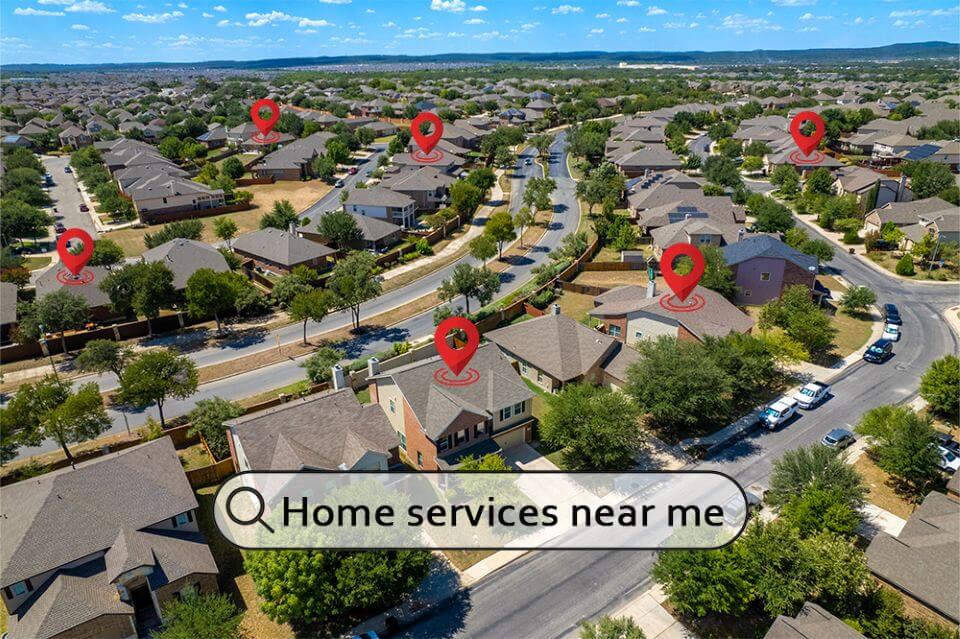
Geographic targeting, often referred to as geotargeting or just geo, is the practice of delivering marketing messages, advertisements, products, or content to audiences based on their geographic location. Geotargeting can also involve proximity and behavioral patterns, such as where customers go, how often they visit, and when they stop in. By tailoring marketing efforts based on consumers’ locations, brands create more relevant campaigns and personalize the customer experience.
How do you identify your target audience’s location? You can focus on various factors, such as:
- Country
- State or province
- City
- ZIP or postal code
- Neighborhood
- GPS location
- IP address
Once you know where customers are, you can better customize website content, promotions, ads, pricing, and language for local audiences. When you align your marketing with the needs and preferences of customers in specific regions, customers feel seen and understood, and they’re much more likely to trust your brand. You enhance customer engagement, which often leads to increased conversions.
Why Geo-Targeted Marketing Matters
One of the biggest advantages of geo-targeted marketing is improving marketing efficiency. You don’t have to spend your advertising budget on broad audiences that may have little interest in your products or services. Instead, you can focus on audiences most likely to become customers and avoid wasted ad spend.
Other benefits include:
- Higher engagement rates
- Better customer experiences
- Increased conversion rates
- Lower advertising costs
- Improved ROI
What Are the Most Effective Elements of Geo-Targeted Marketing?
If you’re planning to include geo in your targeted marketing, consider incorporating some of the following strategies:
Local SEO
You can’t talk about geographic targeting without talking about local SEO. Local SEO helps businesses appear in search engine results when people search for products or services within a specific area. And it’s becoming more and more common, especially with mobile users. According to Google stats, searches for businesses or products “near me” have grown by more than 900 percent in recent years.
Common searches might look like:
- “Coffee shop near me”
- “Divorce lawyer in [city]”
- “Best plumber in [neighborhood]”
To make sure you appear in those search results, it helps to optimize for local SEO by:
- Maintaining accurate business information
- Using location-specific keywords
- Creating specific location pages for all service areas
- Collecting customer reviews
- Optimizing your Google Business Profile
- Building local citations
Investing in local SEO increases your visibility, so nearby customers who are actively searching for your services can find you. These users often have high purchase intent, which means local SEO can significantly increase qualified leads and sales.
Geo-Targeted Advertising
You know that paid advertising is effective. When you combine it with geographic targeting, though, it gets even better. Eighty percent of consumers prefer ads tailored to their specific city, zip code, or immediate surroundings. It makes perfect sense. If you live in New York, you don’t want to see ads for an electrician in Los Angeles who can’t help you.
Geo-targeted advertising on search engines and social media platforms allows you to only show your ads to users within selected geographic areas. And you can get very detailed, narrowing your target area down to specific neighborhoods, blocks, or even store radiuses.
What might this look like in real life? Say you’re a restaurant opening a new location and want to appeal to the immediate neighborhood. You can run advertisements exclusively within a 10-mile radius of the new location instead of paying for statewide exposure.
Another good example might be retailers promoting seasonal products based on regional weather conditions. A winter clothing campaign could focus on colder regions, while beachwear advertisements target warmer coastal areas.
This precision significantly reduces wasted ad spend and customer frustration while increasing campaign relevance.
Regional Content
Businesses that tailor their content to local interests, seasonal trends, events, and so on demonstrate a better understanding of their audiences. This localized approach enhances customer relationships, builds trust, and strengthens brand loyalty. Content marketing becomes much more meaningful when it reflects local interests and experiences.
Effective regional content might include blogs, landing pages, videos, social media posts, or location-specific promotions.
Consider including:
- City-specific buying guides
- Local event promotions
- Regional success stories
- Community news
- Local customer testimonials
- Location-based product recommendations
When customers see content that reflects their particular community or region, they are more likely to trust the brand and engage with its messaging. Localized content also improves search engine visibility because it aligns with the keywords people naturally use when searching for nearby businesses.
Market-Specific Ad Campaigns
Every market has unique customer behaviors, cultural expectations, and purchasing patterns. Successful brands recognize these differences and create campaigns tailored to each market rather than relying on a one-size-fits-all strategy.
Market-specific campaigns may involve:
- Local holidays and celebrations
- Regional pricing strategies
- Language localization
- Cultural references
- Seasonal promotions
- Product availability based on location
This level of personalization dramatically increases campaign relevance and improves customer satisfaction.
Are You Taking Advantage of the Benefits of Geo-Targeted Marketing?
Geographic targeting has become an essential component of modern marketing. By using location-based strategies, brands can connect with the most relevant audiences through personalized messaging, localized content, and market-specific campaigns. As relevance increases, so do click-through rates, customer engagement, and sales.
Artificial intelligence, mobile technology, and location services continue to evolve. As they do, geographic marketing continues to become even more sophisticated. You can deliver increasingly personalized experiences based on real-time location, customer preferences, purchasing behavior, and contextual data. Brands that embrace location-based marketing are better positioned to build stronger customer relationships, improve loyalty, and stay ahead of competitors.
If you’re still asking, “How do we reach the biggest audience?” it might be time for a new approach. Geo-targeted marketing helps you reach the right audience with the right message in the right place.
Do you know where your customers are?