
The automotive market is competitive. Effective car dealership marketing strategies need to do several things at once:
- Attract qualified traffic of shoppers looking for information
- Generate leads of shoppers actually ready to buy
- Establish trust in the brand
- Increase dealership awareness
If that seems like a tall order, you’re right. That’s why you need more than a single approach.
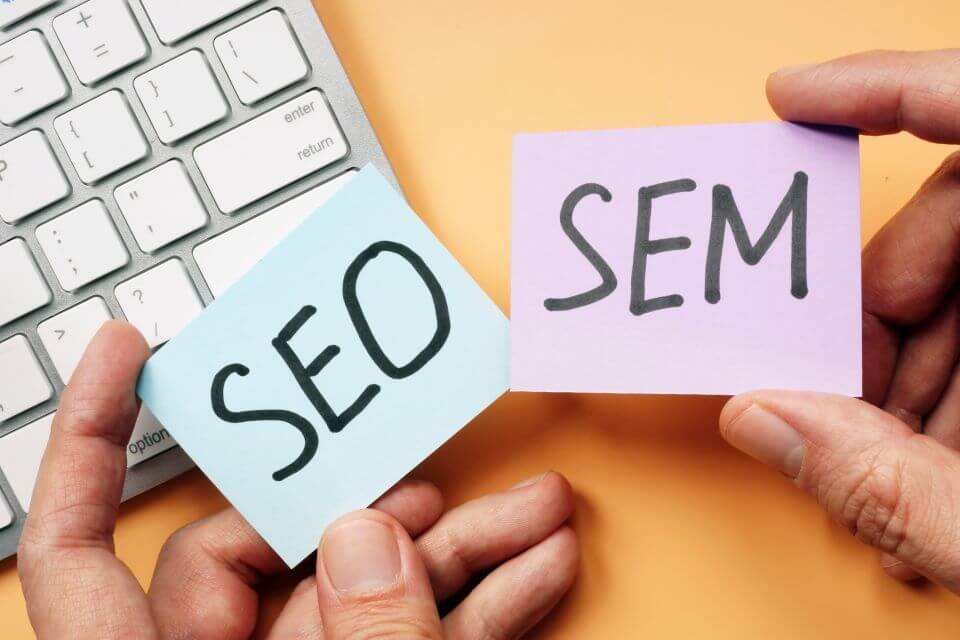
Combining paid advertising with organic car dealership marketing strategies gets you the optimal reach you’re looking for. How? Paid campaigns put your inventory in front of shoppers right away. Organic strategies like SEO, social media, and local search build lasting visibility and trust. Together, these strategies reach more shoppers at every stage of the vehicle-buying journey, from research to scheduling a test drive.
Why Car Dealerships Need Both Paid and Organic Marketing
Today’s car-buying journey largely takes place online. Car buyers use multiple online resources to research vehicles, compare prices, explore financing options, and evaluate dealerships before purchasing.
Cox Automotive’s 2025 Car Buyer Journey Study asked vehicle buyers about their shopping process and found that:
- 41 percent used search engines
- 26 percent used social media
- 59 percent checked the dealership’s website
- Buyers visited an average of 4.6 websites
Clearly, maintaining a consistent presence across multiple digital channels is important. Paid ads are fast but stop working when the budget runs out. Organic marketing compounds over time but rarely delivers a surge of traffic overnight. A dealership relying on only one is missing opportunities. When they use both together, though, dealerships connect with both shoppers who are ready to buy and those who are still exploring options.
Paid Advertising Generates Immediate Visibility
Paid advertising is built for speed and precision. It gives your dealership immediate visibility when shoppers are actively searching or browsing. To get the most from paid advertising, consider:
- Search ads to place your dealership at the top of results for high-intent searches like “used SUVs near me” or “affordable trucks for sale”
- Social media ads to target relevant audiences by location, vehicle interests, and behavior, which are ideal for promoting new arrivals, incentives, or service specials
- Retargeting to bring back visitors who viewed a vehicle but did not submit a lead
- Inventory and local service ads to highlight specific vehicles or offers to shoppers close to purchasing
- Focused campaigns with separate ads for new vehicles, used inventory, financing, trade-ins, and other priorities
- Compelling landing pages to direct shoppers to relevant inventory, offers, or lead forms, rather than sending every click to the homepage
- Tracking conversions such as calls, form submissions, appointment requests, and other meaningful actions
One of the biggest benefits of paid campaigns is that they are also easy to test and adjust. That means you can launch a promotion, measure results quickly, and shift budget toward what works.
Paid campaigns are particularly valuable when you need to increase visibility quickly. Advertising costs can add up fast, though, and visibility may decline when campaigns stop. That’s why paid advertising should complement, not replace, long-term organic marketing.
Organic Marketing Builds Lasting Visibility
Organic marketing focuses on making your dealership easy to find and easy to trust, without paying for every click. There are several different elements that can help you build a strong foundation.
SEO
Effective automotive SEO begins with understanding what local shoppers search for. Your dealership might target terms related to your:
- Location
- Available vehicle makes and models
- Used-car inventory
- Financing options
- Trade-in services
Individual inventory pages should include accurate vehicle details, pricing, availability, useful descriptions, and images. Service pages should explain your dealership’s offerings. Financing and trade-in pages give you the opportunity to answer common customer questions.
Technical SEO
You want to make it easier for both shoppers and search engines to access your information. Technical SEO makes it happen. A mobile-friendly website, fast-loading pages, clear navigation, and crawlable inventory listings are all must-haves.
Local Search
Car buying is usually a local experience, so you’ll want to appear in local search results. To optimize for local search, make sure your Google Business Profile is accurate. You also want your business information to be consistent across directories.
Whenever possible, ask for customer reviews. A steady flow of customer reviews helps potential customers find and trust you before their first visit to the lot.
Social Media
An active social media presence can put a face on your dealership and keep you visible between purchases. Think about making regular posts, including customer delivery photos and behind-the-scenes content, and highlighting your community involvement.
Useful Content
Buying guides, trade-in tips, financing explainers, and maintenance advice answer shoppers’ real questions. Useful content earns traffic over months and years and positions your dealership as a knowledgeable, trustworthy resource.
Do organic results take longer to build? Yes. But they keep working long after a campaign ends.
How Paid and Organic Car Dealership Marketing Strategies Work Together Across the Buyer Journey
Paid advertising and organic marketing serve complementary purposes. Paid search and social campaigns can put a dealership in front of shoppers quickly, particularly when promoting specific vehicles, seasonal offers, or limited-time financing incentives. Organic marketing builds a foundation that helps potential customers discover the dealership naturally through relevant searches, informative content, and local listings.
The real advantage comes from matching each approach to the stage where it performs best.
- Awareness: Social ads and display campaigns introduce your dealership. Blog content and social posts give those shoppers something helpful to find when they look you up.
- Consideration: Shoppers are now comparing vehicles and dealerships. Organic content like model comparisons and honest reviews build credibility, and retargeting ads keep your inventory in front of people who have already visited your site.
- Decision: At this stage, shoppers want a nearby dealer with the right vehicle and a good reputation. Paid search captures high-intent searches, while a strong local presence and positive reviews give shoppers the confidence to visit or call.
Are You Getting the Most Out of Your Marketing Strategy?
What do your car dealership marketing strategies look like? Are they balancing short-term results with long-term growth? If not, you might be leaning too heavily on either paid advertising or organic marketing. Not sure how to combine them? Let’s talk.