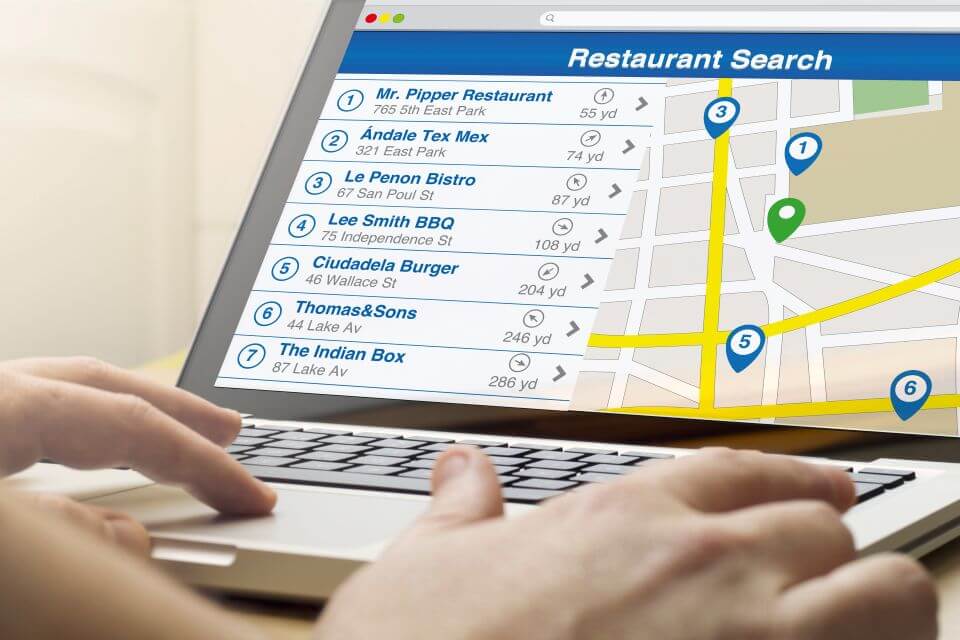

One of the best things about living in the digital age is having instant access to information. Wondering where the best Thai food is near you? Google it. Don’t know the history of blue jeans? Ask Bing. Want to learn how to make a sourdough starter? Look it up on DuckDuckGo.
Search engines are a powerful tool, and savvy digital marketers know how to make the most of their advertising to increase visibility and drive traffic to their websites. No matter how much traffic you’re getting from your SEM ad campaign, though, if those clicks don’t turn into leads or sales, it’s wasted ad spend. Ads drive clicks, but it’s the SEM landing page that determines performance and ROI.
High-performing SEM landing pages are built around relevance, load speed, user experience, and continuous optimization. Let’s look at some simple strategies you can incorporate to dramatically improve your SEM landing page design in these areas and increase conversions.
Align SEM Landing Page Messaging with Your Ads
Relevance is the bedrock of effective SEM. You want to get your ads in front of the right people: targeting potential customers searching for products and services like yours.
Visibility is just the first step, though. Users click on your ad because your product or service is relevant to their needs or effectively answers their questions. Next, they expect the landing page to immediately fulfill the promise made in your ad copy. If the messaging on your landing page doesn’t align with your ads, customers are much more likely to leave the page.
To avoid this bounce, take steps to make sure your messaging aligns:
- Mirror the language from the headline of your ad somewhere on the landing page.
- Make sure keywords and tone match.
- Don’t dramatically change intent—if your ad was informational, not transactional, your landing page should be too.
- Reinforce the same offer or value proposition from your ad so audiences don’t feel like you’ve pulled a bait and switch.
- Consider dedicated landing pages for every individual ad campaign or keyword group.
Aligning the messaging in your ads and your SEM landing page means that what your target audience sees in your ad is what they get.
Optimize Load Speed to Reduce Drop-Off
Few things kill conversion rates faster than slow load speeds, especially for traffic coming from mobile users. In fact, 38 percent of users will bounce if a page takes longer than 5 seconds to load. Fortunately, there are several ways you can optimize load speed in your SEM landing page design.
Image files are notorious for taking the longest to load since they are generally larger. You can meet this problem head-on by compressing your image files or reducing the size appropriately.
Enabling browser caching, especially if your SEM landing page won’t change regularly, effectively reduces the amount of data being transferred between the server and browser, which, in turn, reduces the load time.
Try to minimize the use of third-party scripts and unnecessary plug-ins. Since this code originates from an external domain, they load every time the page loads and can significantly slow things down.
Fast-loading pages reduce user frustration, enhance user experience, and keep users engaged, leading to more conversions.
Streamline Your Layouts for Frictionless User Experience
It can be tempting to include as much information as possible on your landing page. After all, this may be the user’s only interaction with your brand. However, a crowded SEM landing page with huge blocks of text and lots of images and information might be overwhelming and confusing.
Your SEM landing page should ultimately guide your user toward a single, clear action, and you can streamline your layout to ensure a positive, frictionless user experience.
Some good guiding principles for an effective SEM landing page layout include:
- Have only one primary call to action (CTA) per landing page
- Create a clear visual hierarchy on the page, guiding the user to the CTA
- Include only limited navigation (or even no navigation at all)
- Aim for shorter content that is easily scannable and not overwhelming (bullet points are great)
- Optimize for load speed with responsive design
- Reduce user friction by limiting the amount of required information
Don’t try to do too much. Keep your layout focused on a smooth user experience.
Develop a Clear and Compelling CTA
What action are you trying to get your users to take? If your CTA is vague or too passive, users might hesitate or drop-off.
Instead, focus on action-oriented language. Begin with words such as “schedule,” “try,” “sign up,” “download,” or “unlock”. Reinforce the value they’re getting as well, not just the action they’re taking. For instance, instead of “Click Here,” use something like “Get Your Free Guide Today.” This lets them know what they will get from their action.
If your SEM landing page is longer, it can be helpful to repeat the CTA at strategic points as you guide the user down the page. Wherever your CTA is, though, make it visually distinct so that it’s easy to find.
When users know exactly what to do and what they’re getting, they’re much more likely to engage and convert.
Improve SEM Landing Page Continuously Through Testing
Nothing is perfect, even high-performing SEM landing pages. By investing in ongoing testing, you can further refine your page’s performance by making incremental improvements once you figure out what’s working well and what isn’t. Consider A/B testing headlines and value propositions, visuals, content length, CTA placement, CTA copy, and different page layouts.
Even small changes can sometimes result in significant improvements in user experience and increases in conversion rates.
Take Advantage of Expertise
Marketing campaigns can sometimes feel like you’re taking a shot in the dark. What is your audience really looking for? Why are some things working and others aren’t?
Don’t hesitate to take advantage of the expertise of marketers who specialize in the ins and outs of SEM. What if a few tweaks to your SEM landing page design completely revolutionized your ad campaign? If you’re ready to find out what a customized SEM campaign can do for you, we’re here to help.