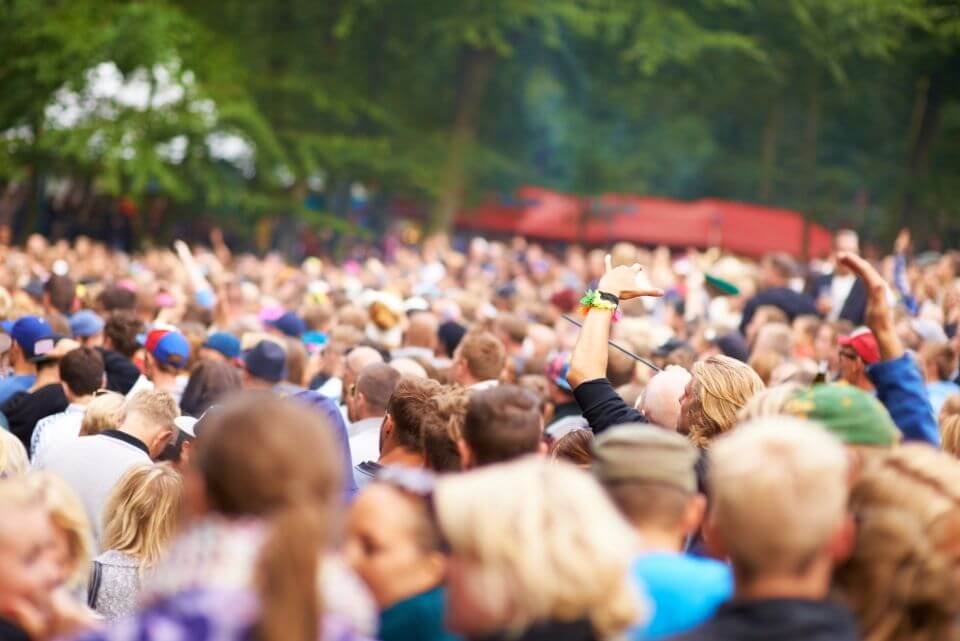
Preparation is often the key to success. Organizing a special event is a prime example. Special event organizers understand that the success of the event starts long before the actual day. In fact, event organizers report that 47 percent of their budgets go toward marketing. Getting information to the right audience, generating interest and excitement, and increasing ticket sales or registrations are all essential. You can’t have a successful event if no one knows about it.
So, what’s the best way to get the word out about your event? Digital marketing.
How Does Special Event Digital Marketing Make a Difference?
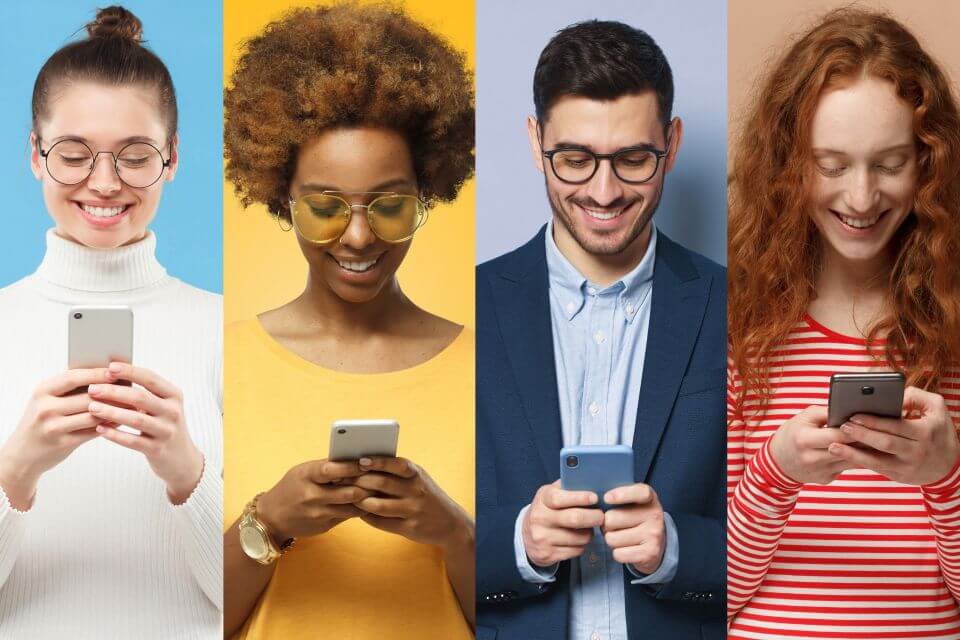
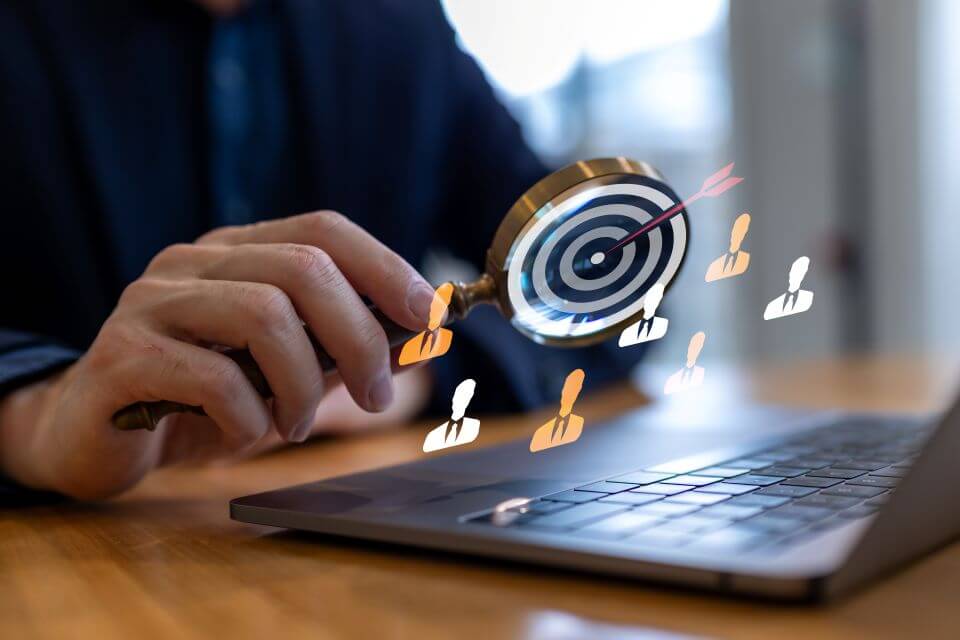
Digital marketing strategies enable event organizers to connect with potential attendees where they already spend their time—online. A strategic digital campaign can target people based on location, interests, demographics, online behavior, and previous engagement.
This targeted approach to special event digital marketing can help:
- Increase awareness among potential attendees
- Reach audiences most likely to attend
- Drive ticket sales and registrations
- Generate social engagement and word-of-mouth promotion
- Build excitement leading up to the event
- Measure campaign performance and ROI
- Continue engaging attendees after the event
Let’s take a closer look at some of the most effective special event digital marketing strategies.
Social Media Marketing Builds Excitement
Social media provides an excellent platform to showcase special events and create momentum. Show your audience why your event is worth attending. Content can highlight performers, speakers, exhibitors, vendors, attractions, activities, behind-the-scenes preparations, special announcements, and attendee experiences.
It’s also the perfect place to encourage audience participation. Turn potential attendees into active promoters. Incorporate polls, contests, countdowns, user-generated content, memorable event hashtags, and influencer partnerships.
Don’t limit the social media exposure to pre-event buzz, though. During the event, keep the conversation going through live updates, photos, videos, attendee posts, and real-time engagement. Is there a special session you can livestream? A product unveiling or announcement that would make a great video? Keep interest high throughout your event by staying engaged on social media platforms.
Once the event is over, those same platforms can extend the reach of your event. Share highlights and interviews. Encourage attendees to stay connected. Get them excited about your next event.
Paid Advertising Reaches the Right Audience
Organic reach is great, but paid advertising gets your event in front of the people most likely to attend.
Paid campaigns can target potential attendees based on geographic location, interests, demographics, professional characteristics, and online behavior. Retargeting is another effective tool. You can reconnect with people who visited an event website, viewed registration information, or interacted with ads but didn’t register.
If you have an event with specific attendance goals, paid advertising is particularly valuable. Instead of just generating impressions, you can optimize campaigns around measurable actions like registrations, ticket purchases, website visits, or lead generation.
Email Marketing Turns Interest into Attendance
Most event planners—a full 85 percent—use email marketing to promote their events. Why? Because email marketing can target people who have already demonstrated an interest in the event, organization, brand, or industry.
An effective email campaign can guide recipients through the entire event journey. Early emails announce dates and build awareness. Use later messages to introduce speakers, performers, exhibitors, special offers, schedules, and reasons to attend.
As the event date gets closer, email reminders can create urgency and encourage registrations or ticket purchases. After the event, follow-up emails can thank attendees, share photos and highlights, request feedback, promote future events, and maintain relationships.
Because email campaigns can be segmented and personalized, organizers can deliver more relevant messages to different audience groups.
SEO Helps People Find Your Event
SEO is another important component of event digital marketing. When people search for events, festivals, expos, fairs, or activities in a particular area, you want your event to appear.
An SEO-focused event strategy could include:
- Optimized landing pages
- Useful event information
- Location-based content
- Relevant keywords
- Structured event details
- Blog content
- Links from reputable websites
SEO is especially valuable because it can continue generating visibility long after an advertising campaign ends. A well-optimized event website can attract people actively searching for something to do, attend, or experience in the future.
Targeted Promotions Can Drive Action
Special promotions can give potential attendees an additional reason to register or purchase tickets. Depending on the event, promotions might include things like:
- Early-bird pricing
- Limited-time discounts
- Referral incentives
- Group offers
- Giveaways
- VIP packages
- Special offers for specific audience segments
Timing, audience targeting, and personalized messaging can all influence how effectively a promotion converts interest into action.
A Cohesive Campaign Creates Better Results
The greatest value of event digital marketing comes when these strategies work together. Social media generates awareness. Paid advertising expands reach and targets high-value audiences. SEO captures people actively searching for relevant events. Email marketing nurtures interest and drives registrations. Targeted promotions create urgency and encourage conversions.
When you weave all these elements together, you get one cohesive campaign. The result? You get the right people interested, engaged, and, ultimately, in attendance.
Even better, the marketing opportunity does not end when the event does. Photos, videos, testimonials, interviews, social posts, attendee feedback, and event highlights can all become valuable content after the event. Use it to demonstrate the event’s success, strengthen the brand, attract sponsors and exhibitors, and build anticipation for the next event.
Post-event email campaigns and social engagement can also keep attendees connected to the organization. In this way, a single event can become an ongoing source of content, relationships, leads, and future revenue.
Why Partner with an Experienced Digital Marketing Agency?
Special event marketing involves more than posting on social media or running a few ads. It requires strategic planning, audience research, creative development, campaign management, analytics, and continuous optimization. If that sounds daunting, we get it. That’s where working with a professional digital marketing agency comes in.
An experienced digital marketing agency can help event organizers develop a strategy that addresses every stage of the attendee journey:
- Before the event: Build awareness, reach target audiences, generate excitement, and drive registrations.
- During the event: Encourage engagement, amplify attendee experiences, and expand the event’s online reach.
- After the event: Share highlights, nurture relationships, measure results, and build momentum for future events.
With the right digital marketing agency partner, organizers can make informed marketing decisions based on data rather than guesswork.
The success of your next event starts now, well before the first attendee arrives. Get started on planning your event with the expert digital marketing help you need. We can help turn awareness into attendance and attendance into lasting impact.